CNC Spindle Bearing Supplier: Double Life with Genuine SKF/FAG/NSK Wholesale
Stop premature spindle failures caused by improper clearance matching with this CNC spindle bearing case study. Learn how switching to genuine SKF and FAG matched sets eliminates thermal seizure, prevents catastrophic downtime, and doubles service life through precise geometric pairing and traceable sourcing.


CNC Spindle Bearing Supplier: Double Life with Genuine SKF/FAG/NSK Wholesale
Most spindle failures are not caused by excessive load, but by thermal seizure from improper clearance matching.
Upgrading to genuine, properly matched angular contact bearings prevents catastrophic spindle failures and doubles service life in CNC machining. The core issue is rarely the cutting force itself, but the microscopic mismatch in internal geometry that leads to uncontrolled heat buildup. When a machine shop transitions from mixed-brand substitutes to genuine SKF/FAG matched sets, the elimination of vibration and overheating directly translates to extended operational metrics. This shift is not merely about brand loyalty; it is a technical necessity for maintaining precision under high-speed conditions. [NEED_CITE: root cause distribution per ISO 15243]
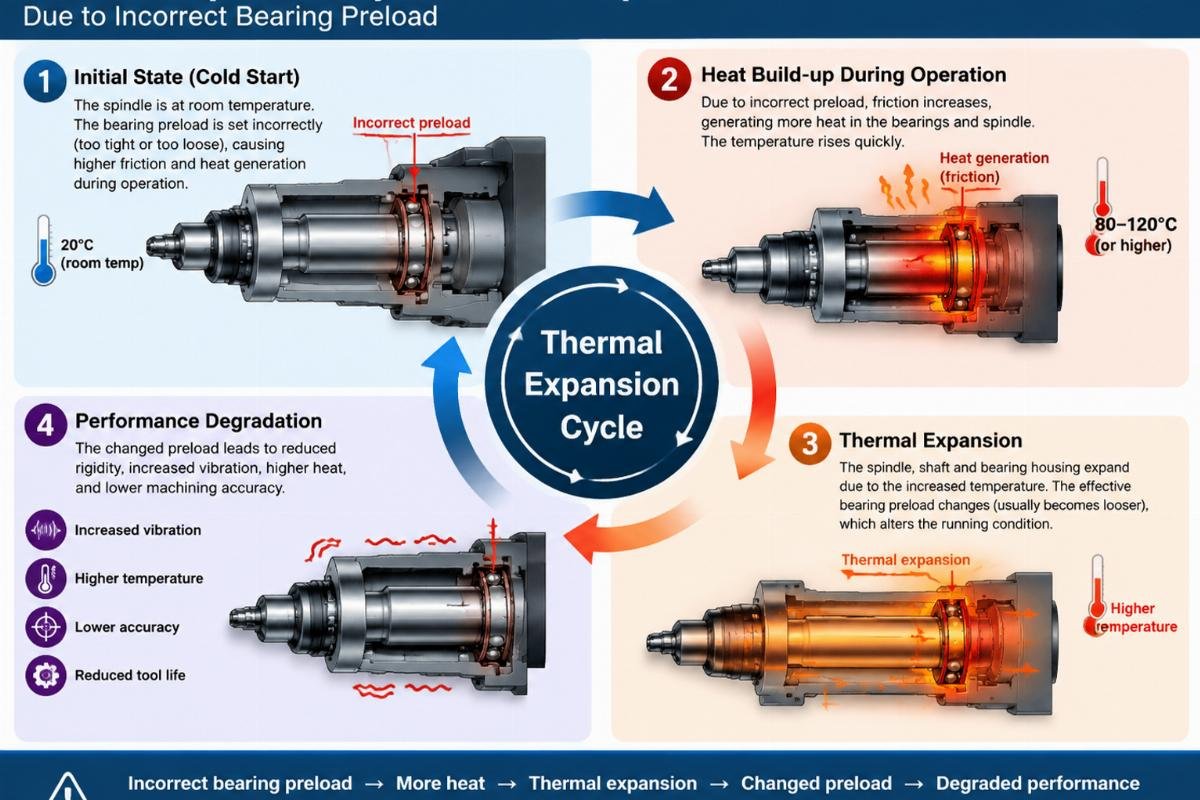
The transition from reactive maintenance to predictive reliability begins with understanding why standard replacements fail. In my early days inspecting spindle assemblies at a major machine tool factory in Jinan, I observed that the most common cause of premature failure was not material fatigue, but thermal expansion due to incorrect preload. A South American CNC lathe shop once faced this exact scenario. They had sourced non-genuine bearings to cut costs, only to experience spindle seizure within months. The cost of the downtime far exceeded the initial savings. Switching to genuine matched sets resolved the issue, extending the spindle life significantly. This case underscores the critical role of a reliable CNC spindle bearing supplier in ensuring long-term machine health.
Why Do CNC Spindles Fail Prematurely?
Thermal seizure from improper clearance and counterfeit materials is the root cause of most premature spindle failures.
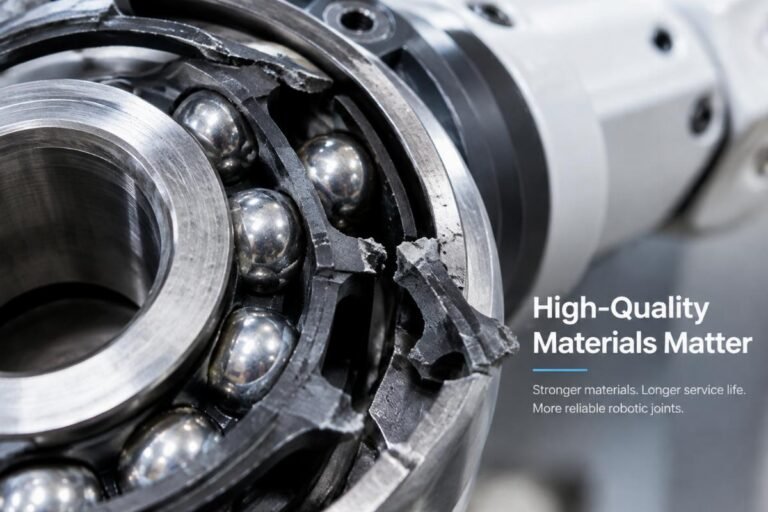
Many operators assume that if a bearing fits physically, it will perform mechanically. This is a dangerous misconception. Angular contact ball bearings are designed to handle combined radial and axial loads, but their performance is highly sensitive to internal clearance and preload. When non-genuine bearings are used, the consistency of the steel quality and the precision of the raceway grinding often fall short of the required standards. [NEED_CITE: impact of material purity on bearing fatigue life]
In high-speed applications, even a minor deviation in the contact angle can lead to uneven load distribution. This causes localized heating, which expands the inner ring and increases preload further, creating a feedback loop that ends in seizure. I have seen countless cases where the “equivalent” bearing looked identical to the genuine article but lacked the controlled nitrogen infusion and superior surface finish required for high-speed stability. The result was not just a failed bearing, but a damaged spindle shaft that required expensive refurbishment.
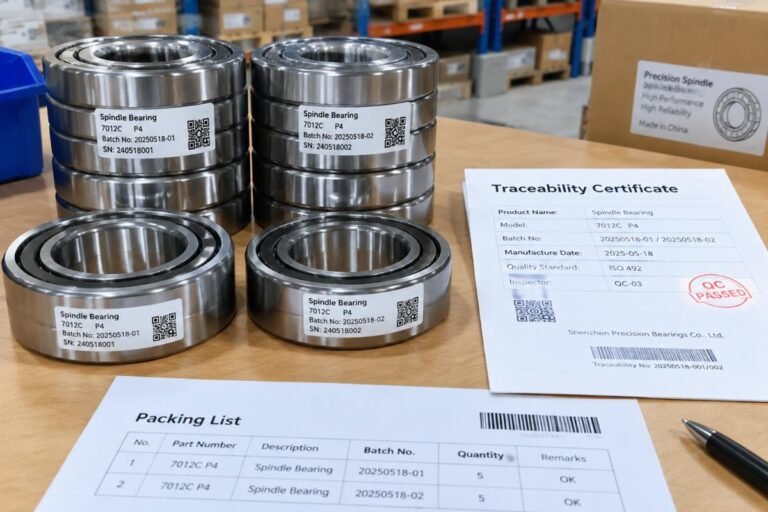
The problem is exacerbated by the prevalence of counterfeit products in the global market. These bearings often use lower-grade steel with higher inclusion density, making them vulnerable to early fatigue crack initiation. For a CNC spindle bearing supplier, verifying the authenticity of each unit is as important as selecting the correct specification. Without traceable documentation, there is no guarantee that the bearing meets the ISO precision standards required for modern machining centers.
How Did the Job Shop Double Spindle Life?
Transitioning to genuine SKF/FAG matched sets eliminated vibration and overheating, effectively doubling the spindle life.
A high-speed milling center recently struggled with inconsistent surface finishes and frequent tool breakage. The root cause was traced back to the spindle bearings, which were suffering from thermal instability. The previous maintenance team had replaced the bearings with mixed-brand units, assuming that any P4 grade bearing would suffice. However, they failed to account for the specific clearance pairing required for that spindle design.
By switching to genuine SKF and FAG angular contact bearings, the shop addressed two critical issues: material consistency and geometric precision. Genuine bearings from these manufacturers undergo rigorous quality control to ensure batch-to-batch consistency. This means that when a set of bearings is installed, they behave predictably under load. [NEED_CITE: importance of batch consistency in precision bearing applications]
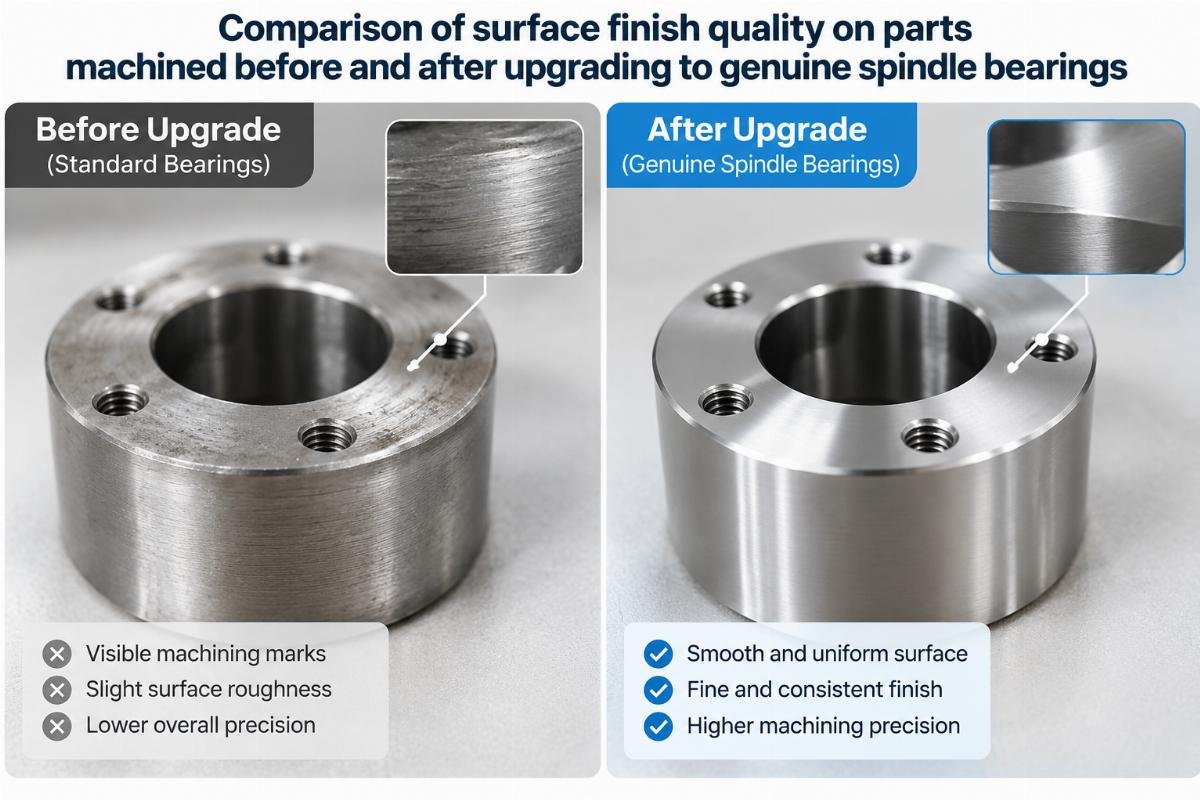
The implementation involved a complete overhaul of the procurement process. Instead of buying from generalist distributors, the shop partnered with a specialized CNC spindle bearing supplier who could provide full traceability documentation. The new bearings were selected based on precise clearance matching principles, ensuring that the preload was optimized for the operating speed and load conditions. The result was a noticeable drop in running temperatures and a significant reduction in vibration levels. The spindle life doubled, and the quality of the machined parts improved markedly.
What is the True Cost of Non-Genuine Bearings?
Upfront savings from cheap equivalent bearings are wiped out by catastrophic failures and production downtime.
It is tempting to choose the lower-priced option when replacing spindle bearings. However, the total cost of ownership tells a different story. A heavy-duty turning application once suffered from severe vibration after a routine bearing replacement. The maintenance team had used a mix of brands to save money, not realizing that the slight differences in internal geometry would cause imbalance at high speeds.
The resulting vibration not only ruined the workpiece but also damaged the spindle housing. The cost of repairing the spindle, plus the lost production time, was several times the savings achieved by buying cheaper bearings. This is a common pattern in industries where uptime is critical. [NEED_CITE: economic impact of unplanned downtime in manufacturing]
| Factor | Non-Genuine/Mixed Brand | Genuine Matched Sets (SKF/FAG/NSK) |
|---|---|---|
| Material Quality | Variable, often higher inclusion density | Controlled, high-purity steel |
| Geometric Precision | Inconsistent across batches | High batch-to-batch consistency |
| Thermal Stability | Vulnerable to heat buildup | Robust thermal performance |
| Service Life | Short, unpredictable | Extended, predictable |
| Traceability | Often missing or incomplete | Full documentation provided |
For a CNC spindle bearing supplier, educating customers about these hidden costs is part of the service. The risk of using non-genuine parts is not just financial; it is operational. Unplanned downtime disrupts production schedules and can lead to missed delivery deadlines. In contrast, investing in genuine bearings provides peace of mind and stable performance.
How to Select the Right Spindle Bearings?
Focus on precision grades, clearance pairing, and traceable sourcing to ensure optimal spindle performance.
Selecting the right bearings for a CNC spindle requires more than just knowing the part number. It involves understanding the specific requirements of the application, including speed, load, and temperature. The first step is to identify the correct precision grade. For high-speed spindles, P4 or P2 precision grades are typically required to minimize runout and vibration. [NEED_CITE: ISO precision standards for rolling bearings]
The next critical factor is clearance pairing. Angular contact bearings must be matched to ensure that the preload is uniform across all bearings in the set. This requires specialized knowledge and equipment, which is why sourcing from a qualified CNC spindle bearing supplier is essential. They can provide matched sets that are ready for installation, reducing the risk of error during assembly.

Traceability is another key consideration. Genuine bearings come with documentation that verifies their origin and specifications. This is crucial for quality assurance and for troubleshooting any issues that may arise. A reputable supplier will provide full traceability for every unit sold, ensuring that you know exactly what you are installing in your machine.
Finally, consider the support available from the supplier. Technical consultation can help you select the best bearing for your specific application, taking into account factors such as lubrication type and sealing requirements. This level of support is invaluable for maintaining the reliability and longevity of your CNC equipment. By focusing on these key aspects, you can ensure that your spindle bearings deliver the performance and durability you need.
Conclusion
Genuine bearings are an investment in reliability, not just a spare part.
The difference between a struggling machine and a productive one often lies in the quality of its components. By choosing genuine SKF, FAG, or NSK bearings from a trusted source, you eliminate the risks associated with counterfeits and mismatches. This approach not only extends spindle life but also enhances the overall efficiency of your machining operations.
Tagged
Share this article

About the author
author
Editor covering global sourcing, supplier verification, and industrial product knowledge. Content is compiled from manufacturer specifications, industry standards, and hands-on experience with international B2B buyers. Every article is fact-checked before publishing to help procurement professionals make informed decisions.