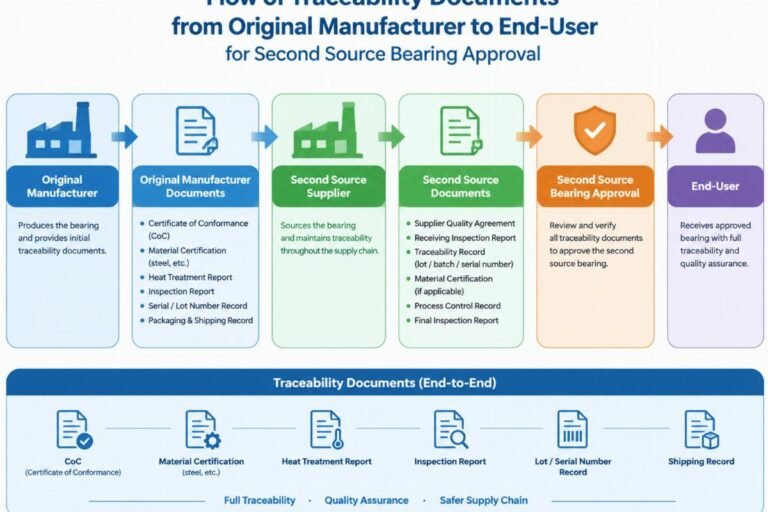
NDA & Drawing Protection for Custom Bearings Wholesale Supplier
Secure NDA and drawing protection for custom bearings prevents IP leaks during global sourcing. Generic agreements fail without specific penalty clauses and encrypted file sharing protocols. Implement watermarked PDFs and strict liability terms to safeguard proprietary designs and ensure supplier compliance.

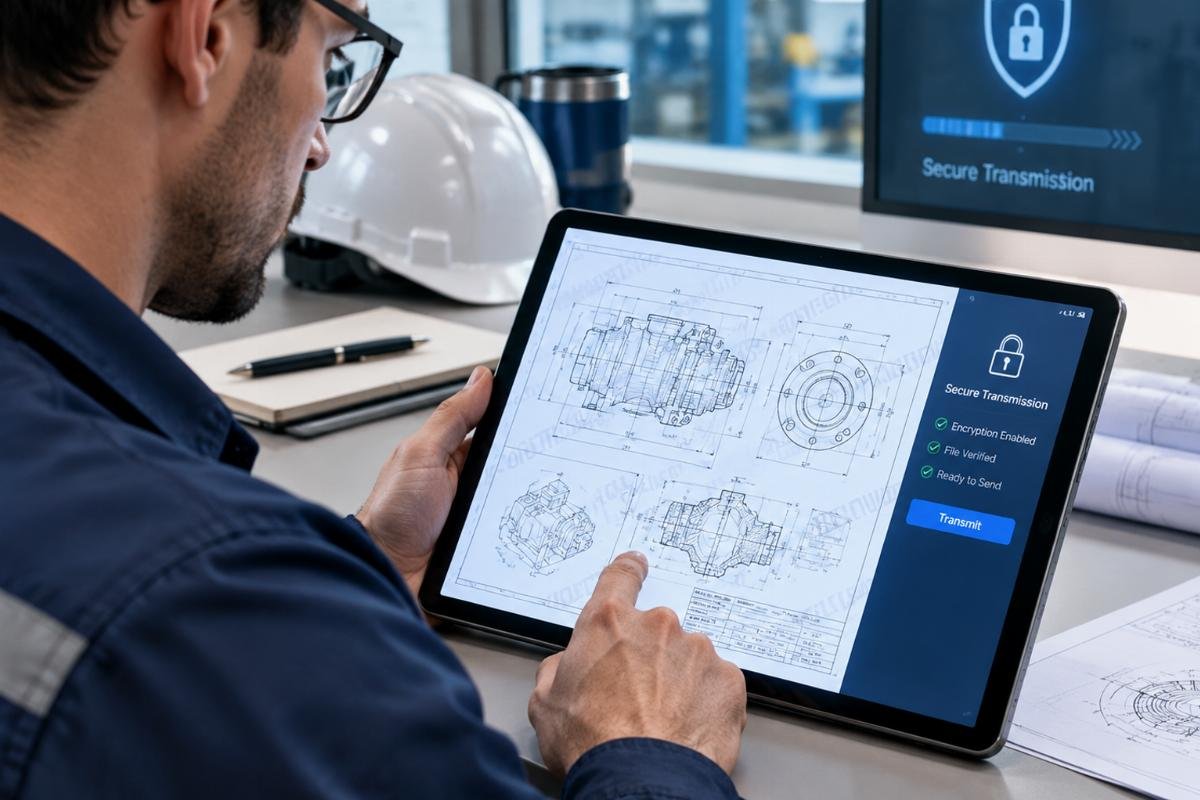
NDA & Drawing Protection for Custom Bearings Wholesale Supplier
Low price does not secure the first order; IP security does.
Strict NDA enforcement and secure drawing protocols are mandatory prerequisites for custom bearing procurement to prevent IP leaks and costly claims. Without encrypted file sharing and specific liability clauses, proprietary designs are vulnerable to theft during global sourcing, regardless of the supplier’s manufacturing capability.
In the industrial procurement landscape, the assumption that a standard non-disclosure agreement is sufficient often leads to catastrophic design leaks. [NEED_CITE: common IP breach vectors in international manufacturing] I recall a specific incident early in my career involving a colleague who sought competitive pricing for a client’s non-standard sealed bearing design. Instead of using secure channels, he distributed the technical drawings via a WhatsApp inquiry group to solicit quotes from multiple factories. Within days, the unique sealing geometry appeared in a competitor’s catalog, and our client faced direct market cannibalization. The buyer immediately terminated the relationship and pursued legal action for damages. This experience underscored that in custom bearing manufacturing, the protection of intellectual property is not merely a legal formality but a fundamental operational requirement. A custom bearing drawing confidentiality breach can destroy trust faster than any quality defect.
Transitioning from casual communication to structured IP protection requires a shift in both mindset and procedure. The following sections detail why generic agreements fail, how to transmit data securely, and what liability structures actually deter misconduct.
Why is a Standard NDA Insufficient for Custom Bearings?
Generic NDAs lack the specific penalty clauses required to address manufacturing-specific leaks.
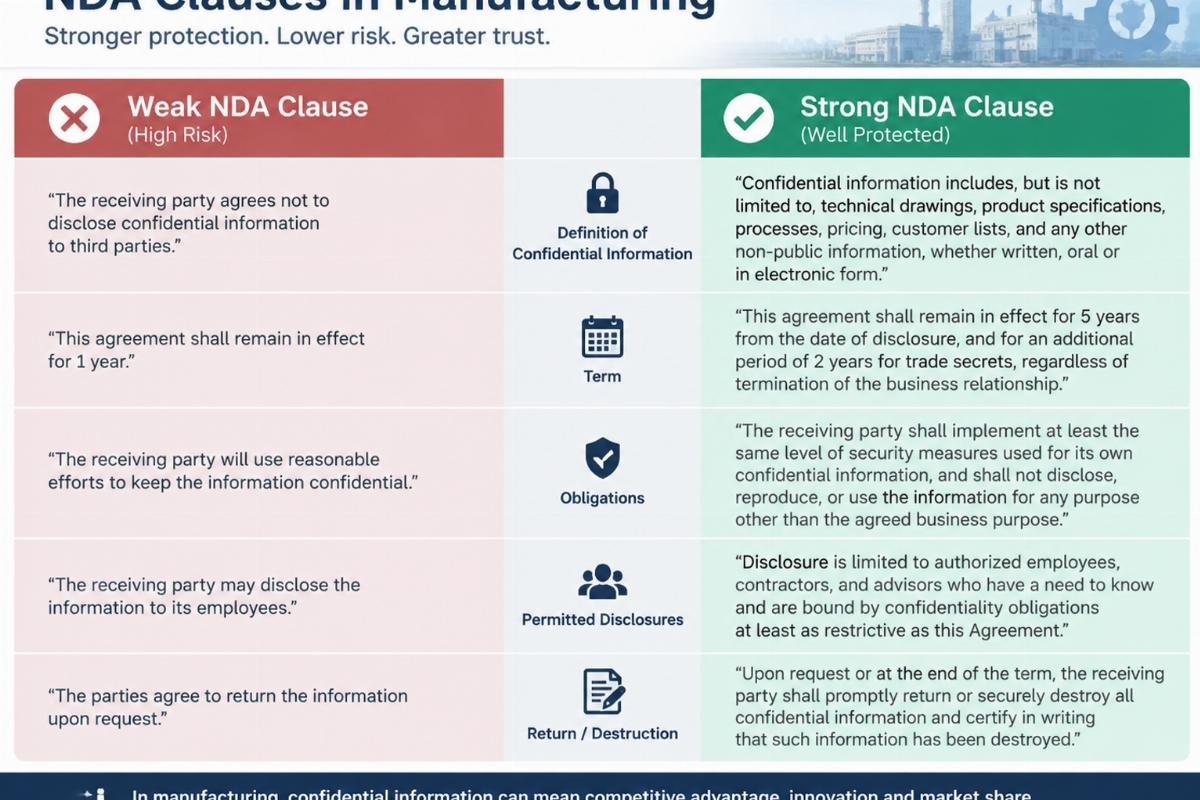
Most off-the-shelf non-disclosure agreements are designed for software or general services, not for physical manufacturing where reverse engineering and unauthorized subcontracting are prevalent risks. In the context of secure bearing manufacturing NDA, a standard clause often fails to define what constitutes a “breach” in a production environment. For instance, it may not explicitly prohibit the supplier from using the provided drawings to quote other potential buyers or from outsourcing critical machining steps to unvetted third-party workshops without consent.
The core issue lies in the enforceability of damages. A generic NDA might state that the breaching party is liable for “actual damages,” which are notoriously difficult to quantify in international trade. How does one calculate the lost future revenue from a stolen bearing design? Without predefined liquidated damages or specific penalty structures, the cost of litigation often outweighs the potential recovery. [NEED_CITE: challenges in quantifying IP damages in cross-border trade]
Consider a scenario where a supplier shares your custom tapered roller bearing specifications with a sister company to optimize their own production line. If the NDA does not explicitly forbid internal sharing beyond the immediate project team, this action may technically be compliant, yet it exposes your design to unnecessary risk. Effective OEM bearing IP protection requires clauses that specifically address:
- Prohibition of using drawings for any purpose other than quoting or manufacturing for the buyer.
- Mandatory destruction or return of all digital and physical copies after project completion.
- Explicit ban on unauthorized subcontracting of critical processes like heat treatment or grinding.
Without these specifics, the NDA serves as a psychological deterrent rather than a legal shield. Buyers must insist on customized agreements that reflect the realities of mechanical engineering and global supply chains.
How Should Drawings Be Transmitted Securely?
Encrypted links and watermarked PDFs must replace casual messaging apps.
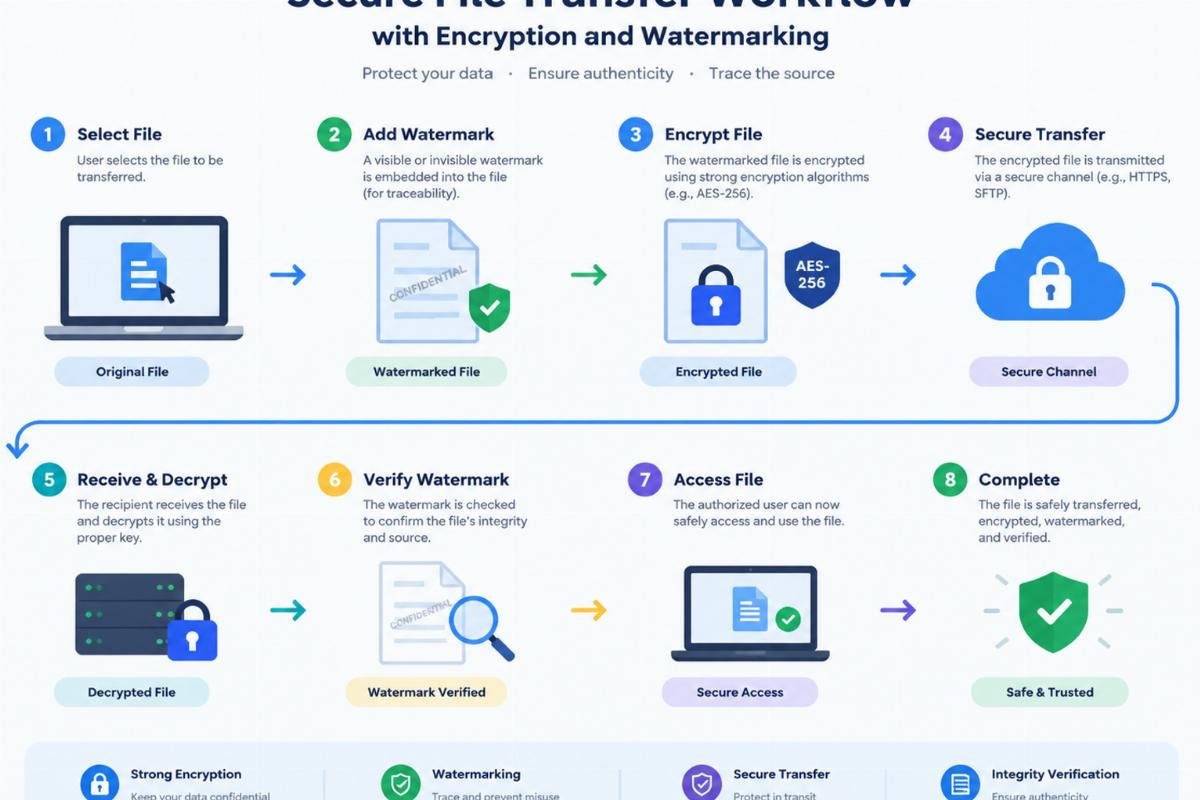
The method of data transmission is often the weakest link in the IP protection chain. Sending CAD files or high-resolution PDFs via email attachments or instant messaging platforms creates permanent, uncontrolled copies on various servers and devices. For custom bearing drawing confidentiality, the protocol must ensure that access is traceable, revocable, and limited.
A secure transmission process involves several key steps:
- File Preparation: All drawings should be converted to non-editable formats (such as PDF) with visible watermarks indicating the recipient’s name and date. This discourages unauthorized sharing as the source of any leak can be identified. [NEED_CITE: best practices for digital watermarking in engineering]
- Secure Portal Usage: Instead of direct file transfers, use encrypted cloud storage links with password protection and expiration dates. This ensures that once the quotation period ends, the files become inaccessible.
- Access Logging: Utilize platforms that provide audit trails, recording who accessed the file, when, and from which IP address.
I have observed a significant reduction in unauthorized access incidents among clients who adopted secure portal usage. For example, a Middle East client previously relied on email threads for sharing complex spherical roller bearing modifications. After switching to a secure engineering portal with time-limited access, they eliminated accidental forwards to wrong contacts and gained visibility into who viewed their specifications. This shift is critical for maintaining secure bearing manufacturing NDA integrity.
Casual channels like WhatsApp or WeChat are convenient but dangerous. They often compress images, reducing clarity, and lack robust security features. More importantly, they create a sense of informality that can lead to careless handling of sensitive data. Professional procurement demands professional tools.
What Liability Clauses Must Be Included?
Explicit financial penalties for unauthorized subcontracting or quoting are essential.
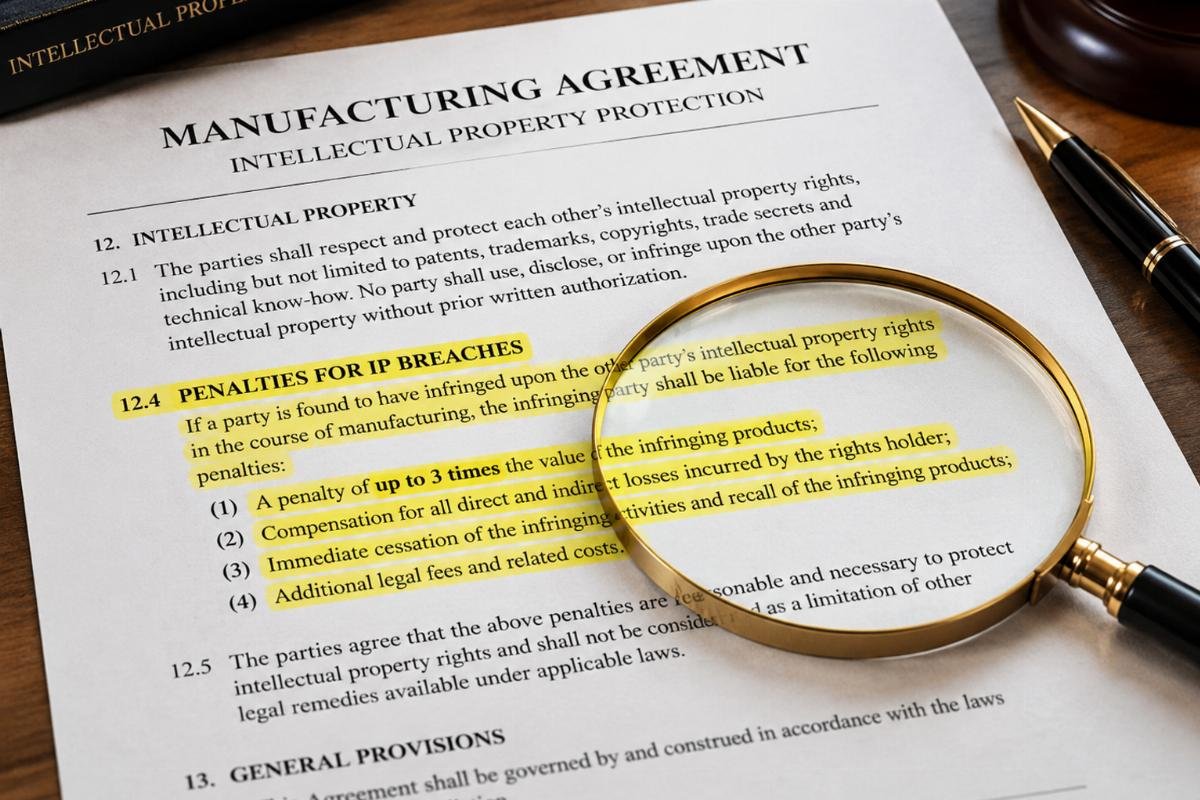
To make an NDA effective, it must have teeth. Vague promises of confidentiality are insufficient when dealing with high-value custom components. The contract must include clear, predefined consequences for breaches. This is particularly important for OEM bearing IP protection, where the value of the design may not be immediately apparent but can have long-term commercial implications.
Key liability clauses should include:
- Liquidated Damages: A fixed monetary penalty for each proven breach, such as unauthorized sharing of drawings. This amount should be substantial enough to deter misconduct but reasonable enough to be enforceable in court. [NEED_CITE: standards for liquidated damages in international contracts]
- Indemnification: The supplier must agree to indemnify the buyer for any losses resulting from IP infringement, including legal fees and lost profits.
- Jurisdiction and Arbitration: Clearly define the legal jurisdiction and arbitration rules to avoid prolonged legal battles in unfamiliar courts.
A practical example involves a European machinery manufacturer who included a strict penalty clause for unauthorized quoting. When a supplier attempted to use their custom angular contact bearing design to bid on a competing project, the threat of invoking the penalty clause led to an immediate cessation of the behavior and a formal apology. Without such a clause, the buyer would have had little recourse.
It is also crucial to define the scope of “confidential information.” Does it include only the final drawings, or also the preliminary discussions, material specifications, and testing protocols? Broad definitions ensure comprehensive protection. For custom bearing drawing confidentiality, every piece of shared technical data should be covered.
How to Verify a Supplier’s IP Protection Capability?
Audit their digital security and past NDA compliance records.
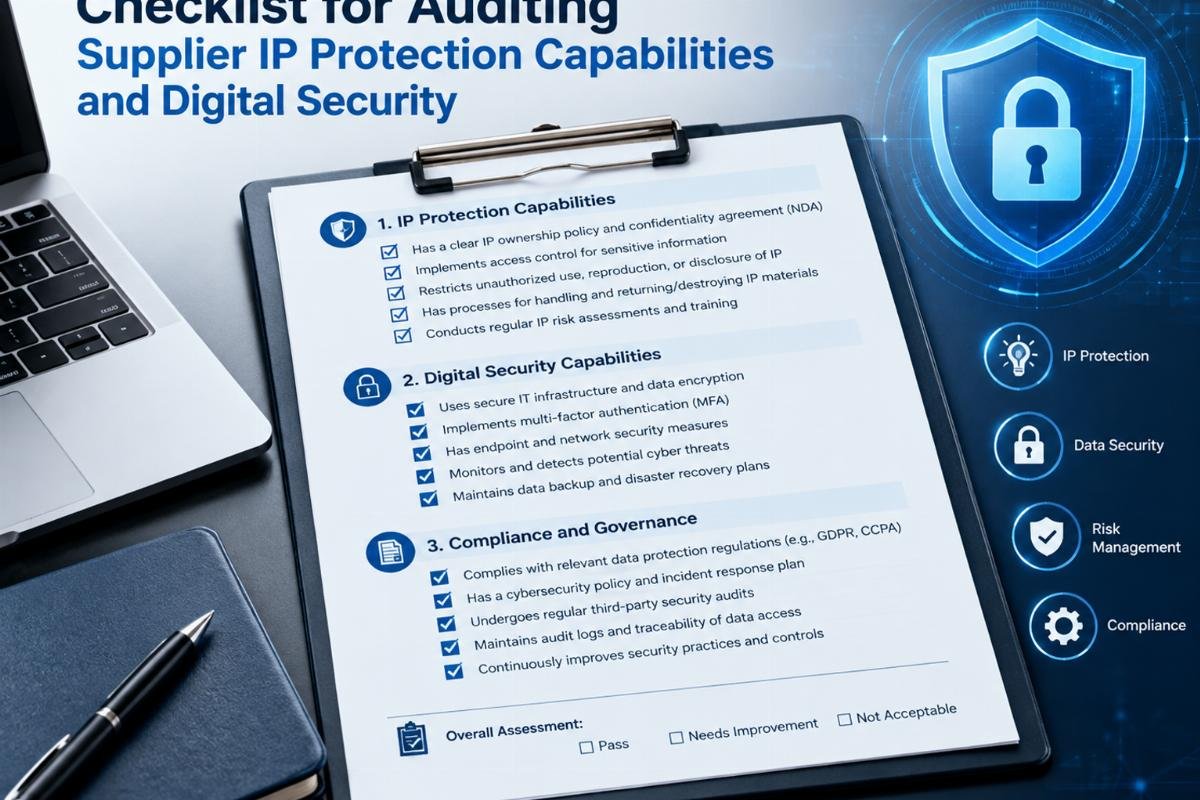
Selecting a partner for custom bearing projects requires more than evaluating their manufacturing capacity. You must assess their commitment to IP protection. This involves verifying their internal protocols and track record. A supplier that treats IP security as an afterthought is likely to cut corners in other areas as well.
Verification steps include:
- Digital Security Audit: Ask about their IT infrastructure. Do they use encrypted servers? Is access to customer files restricted to authorized personnel only? Do they have regular security training for employees? [NEED_CITE: ISO 27001 standards for information security management]
- Reference Checks: Request references from other clients who have commissioned custom work. Inquire about their experience with confidentiality and any issues they encountered.
- Process Documentation: Review their standard operating procedures for handling customer data. Look for documented workflows for file receipt, storage, and deletion.
In my interactions with suppliers, I prioritize those who proactively discuss their security measures. A reputable NDA and drawing protection for custom bearings partner will often have a dedicated compliance officer or a detailed privacy policy. They understand that protecting client IP is integral to their business reputation.
For instance, when evaluating a potential supplier for a high-precision needle bearing project, I requested evidence of their data handling protocols. The supplier provided a detailed report on their encrypted file storage system and employee confidentiality agreements. This transparency built trust and confirmed their capability to handle sensitive designs. Conversely, suppliers who were vague or resistant to providing such information were excluded from consideration.
Conclusion
IP security is the foundation of successful custom bearing procurement.
Protecting proprietary designs requires more than a signed document; it demands rigorous protocols for data transmission, specific liability clauses, and thorough supplier vetting. By prioritizing NDA and drawing protection for custom bearings, buyers can mitigate risks and build trustworthy relationships with manufacturers. Secure sourcing is not just about preventing leaks; it is about ensuring the long-term viability of your competitive advantage in the global market.
Tagged
Share this article

About the author
author
Editor covering global sourcing, supplier verification, and industrial product knowledge. Content is compiled from manufacturer specifications, industry standards, and hands-on experience with international B2B buyers. Every article is fact-checked before publishing to help procurement professionals make informed decisions.